Table of Contents
- How Does Your Body React to Negative Emotions?
- The Dangerous Two-Way Street: Diabetes and Mental Health
- Type 1 vs. Type 2: The Core Differences
- Prediabetes and Diabetic Ketoacidosis (DKA)
- Why Your HbA1c Chart Matters
- Modern Glucose Monitoring Tech (LinX)
- Frequently Asked Questions (FAQ)
- Sources and References
Anger, grief, and chronic dissatisfaction ravage your mental well-being. Wise minds tell you to avoid them. Your mental health is an invaluable asset. Guard it fiercely. Yet, these toxic emotions push far beyond mental boundaries—they trigger severe physical havoc.
Imagine your body locked in a perpetual state of emergency. That is precisely what chronic anger does. You might wonder: Does grief spike blood sugar? The answer goes far beyond a simple "yes." You are looking at a complex biological storm. Stress hormones flood your bloodstream. They force your liver to dump glucose, generating energy you absolutely do not need while sitting still. Stress is not just a feeling. It acts as a powerful chemical catalyst, aggressively overturning your body's delicate balance.
How Does Your Body React to Negative Emotions?
Sadness and anger force your body into a "fight or flight" mode. You start pumping out stress hormones by the gallon, specifically:
- Cortisol: The notorious stress hormone. It directly sabotages insulin function.
- Adrenaline: The trigger that violently releases stored energy.
These chemicals block insulin from doing its job. Worse, they trigger the release of glucagon, an enzyme that converts glycogen (sugar stored in the liver) directly into blood glucose. The result? Sugar violently piles up in your bloodstream instead of fueling your cells.
"Chronic psychological stress acts as a powerful physiological trigger driving the development of insulin resistance and Type 2 diabetes." - Charles B. Nemeroff, Professor of Psychiatry.
This mechanism jumpstarts insulin resistance. It has nothing to do with eating too many sweets. Many completely ignore psychological stress as the hidden culprit behind stubborn, high glucose readings that defy medication. The next time you ask if emotional distress raises blood sugar, remember this. Your mental health secretly dictates your glucose levels.
Diabetes and Mental Health
Diabetes and mental health share a dangerous, cyclical relationship. They feed off each other:
- Psychological distress destroys your ability to stick to medication and diet plans. Blood sugar inevitably spikes.
- Conversely, wild blood sugar swings directly alter brain chemistry. They breed severe anxiety and depression.
Ignoring this connection means you only treat half the disease. Modern clinical studies confirm a hard truth. You must treat diabetes and mental health simultaneously to gain real control. Treating just the numbers fails.
Type 1 vs. Type 2 Diabetes
The core difference stems from how your body operates. Type 1 diabetes means the pancreas completely shuts down insulin production. Any psychological stress causes immediate, extreme blood sugar spikes. This quickly escalates to dangerous blood acidity (DKA) because the regulatory hormone simply does not exist. Type 2, however, stems from the body's refusal to use available insulin effectively. Here, stress drives a slow, cumulative rise in blood sugar. It rarely hits the acidity threshold immediately. Managing Type 2 requires aggressive lifestyle modifications and targeted oral medications, rather than instant reliance on insulin injections.
Prediabetes and the Danger of Diabetic Ketoacidosis
Symptoms of Prediabetes
Before the hammer falls, your body broadcasts warning signs. We call these prediabetes symptoms. The danger? They stay hidden. You might feel mild, constant fatigue. You might drink a bit more water than usual. You will notice wounds taking agonizingly long to heal, and dark patches appearing in skin folds like your neck and armpits.
Ignoring prediabetes is a massive gamble. This window offers your absolute best chance to reverse the damage and reach safety before the disease turns chronic. Often, the reality check only happens in the ER when a doctor bluntly states: "You have had diabetes for quite some time."
The Threat of Diabetic Ketoacidosis (DKA)
Under severe stress or medical neglect, your body faces a critical insulin shortage. It starts burning fat for survival. This desperate measure dumps toxic acids called "ketones" into your blood. We call this Diabetic Ketoacidosis (DKA). It is a life-threatening medical emergency demanding instant intervention. Patients buried under immense psychological stress often miss their doses. This skyrockets their DKA risk, especially for Type 1 diabetics.
How to Master Your HbA1c Chart?
You cannot manage what you do not measure. Your HbA1c chart delivers a panoramic, three-month view of your blood sugar levels. It never lies. A single high reading might just mean a heavy meal or a fleeting stressful moment. But your HbA1c exposes the brutal truth about your adherence and your treatment's effectiveness. It forces your doctor to make precise medical decisions, eliminating pure guesswork.
Modern Glucose Monitoring Technologies
Diabetics no longer need to endure the agony of daily finger pricks. Incredible technological leaps changed the game. Non-invasive (prick-free) continuous glucose monitors now exist. They use advanced sensors to measure glucose directly in the interstitial fluid. This innovation dramatically upgrades patient quality of life.
Finding the best non-invasive glucose monitor—often called a CGM sensor—is the primary mission for anyone demanding constant, precise, pain-free tracking.
Modern Glucose Tech (LinX)
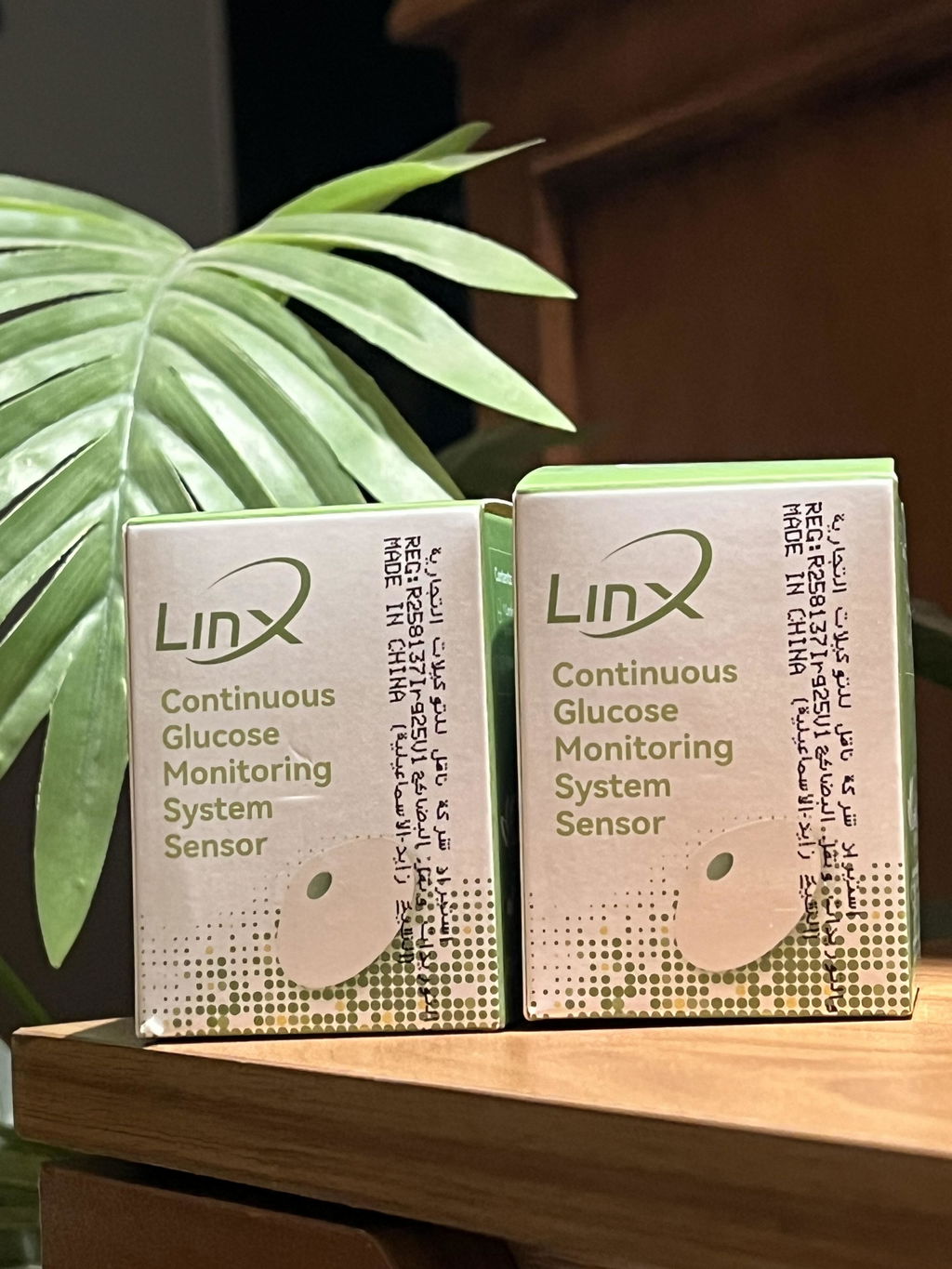
Arm-mounted sensors monitor your glucose 24/7. They log a reading every single minute. That is 1,440 readings a day. Think of the mobile alerts as the emergency brakes that stop your emotional reactions from wrecking your health.
The ultimate advantage? Total peace of mind. You get readings automatically sent to the LinX sensor app. Better yet, the remote monitoring feature instantly alerts your loved ones. This sensor feeds you real-time data. It draws precise trend curves showing exactly where your sugar is heading. You gain incredible proactive power to intercept a crash or a spike before it hits. Applying the LinX CGM sensor takes seconds. It permanently replaces dozens of painful, traditional tests.
Freedom from Pain
Did you ever imagine checking your blood sugar without a needle? That dream is reality. These devices provide immense psychological relief. Children and the elderly with needle phobia finally catch a break. Securing an advanced monitor shatters the fear barrier. It pushes patients to check their glucose constantly. That habit remains the absolute cornerstone of controlling the disease.
The tech goes further. Modern, prick-free sensors connect directly to smart apps on your phone. They sound the alarm the second you hit dangerous highs or lows. Sensor accuracy evolved radically in recent years. Doctors now clinically trust them to drive hard medical decisions.
Easier Life... Live Freely
The endgame of this innovation? A "prick-free" lifestyle. Imagine gliding through your days tracking your health with brutal precision, minus a single needle. It profoundly improves the patient's mental health. It erases the stress of managing diabetes, which indirectly crushes elevated blood sugar levels.
Beating diabetes demands a precise strategy merging mental calm, medical awareness, and cutting-edge tech. Secure the best continuous glucose monitor in Egypt today by contacting us directly.
Frequently Asked Questions (FAQ)
Does stress-induced high blood sugar go away?
For temporary spikes, blood sugar normalizes once the psychological trigger vanishes—assuming the person does not already have diabetes. However, if a person carries a genetic predisposition or sits in the prediabetes stage, chronic stress permanently cements a Type 2 diabetes diagnosis.
How long does blood sugar stay elevated after emotional distress?
It depends entirely on how long stress hormones (cortisol) flood your blood. The spike can easily last several hours after a shocking event. During periods of chronic stress, blood sugar remains dangerously high for days or weeks, forcing immediate medical intervention.
Can children use the LinX sensor?
Yes. The sensor carries full authorization for children starting at two years old. Engineers designed the LinX CGM to be exceptionally safe and comfortable across all age groups. It serves as the ultimate solution for children to escape repetitive needle pain while empowering parents to track their child's glucose remotely.
Does emotional stress increase HbA1c?
Yes. Chronic emotional stress forces the adrenal gland to pump out cortisol and adrenaline. These hormones violently block insulin (insulin resistance) and command the liver to overproduce glucose. This directly drives up your 3-month HbA1c average. You can effortlessly track these exact hormonal fluctuations in real-time by wearing the prick-free LinX CGM.
At what percentage does HbA1c become dangerous?
You cross the danger line at 8.0%. Microvascular and macrovascular complications rapidly accelerate here, destroying your retina, kidneys, and nerves. Ratios exceeding 10% trigger critical medical emergencies demanding immediate intervention. Bypass these lethal numbers entirely by using the LinX sensor to monitor continuous glucose streams and adjust medical doses with absolute precision.
Does overthinking raise blood sugar?
Severe overthinking and mental strain trigger the sympathetic nervous system. The "fight or flight" response commands the liver to dump stored glucose, providing instant energy for your brain and muscles. This immediately spikes blood sugar. Track the exact impact of mental pressure on your glucose second-by-second using the comfortable LinX smart tech.
Does mental health affect HbA1c?
Chronic psychiatric disorders like depression and anxiety hike your HbA1c through two distinct paths. The physiological path involves severe stress hormone disruption. The behavioral path manifests as skipped medications and binge-eating carbohydrates. The LinX sensor hands you pinpoint-accurate data curves, allowing you to link your psychological state directly to blood sugar levels and hack your treatment plan intelligently.
What happens to a diabetic patient when they get upset?
A sudden, violent spike in blood glucose occurs. For Type 1 diabetics, this rapidly spirals into Diabetic Ketoacidosis (DKA). For Type 2 diabetics, the surging sugar triggers extreme dehydration, crushing fatigue, and blurred vision. You can preempt these sudden spikes and neutralize them instantly by reacting to the LinX sensor's smart alerts, entirely avoiding medical emergencies.
Is an HbA1c of 5.4 normal?
This ratio is flawless. Medical professionals classify it as perfectly normal. Prediabetes starts at 5.7%, while a firm diabetes diagnosis hits at 6.5% and above. Lock in this excellent ratio and dodge future fluctuations by relying on the painless, continuous monitoring power of the LinX sensor.
Can HbA1c return to normal?
Absolutely, especially for Type 2 diabetics and those in the prediabetes stage. Radical lifestyle overhauls, aggressive low-carb diets, and shedding 10-15% of body weight reverse insulin resistance. This drags the HbA1c back down to normal levels. The recovery journey demands brutal, daily evaluation. The LinX sensor provides exactly that, guiding your nutritional choices with absolute confidence.
Is Vitamin B12 beneficial for diabetics?
It is mandatory. Long-term use of Metformin (Glucophage) aggressively drains your body's Vitamin B12 reserves. This triggers or worsens peripheral neuropathy and numbness. While you take B12 supplements to shield your nerves, the LinX sensor guarantees you stay firmly within your target glucose range all day, massively boosting nerve health.
Is an HbA1c level of 7.2 high?
It sits higher than a healthy individual, but doctors consider it highly acceptable. It closely hugs the standard therapeutic target for most adult diabetics recommended by the American Diabetes Association (under 7.0%). To crush this number down efficiently toward the perfect target, weaponize the comprehensive graphical reports generated by the LinX sensor to adjust your doses with clinical precision.