Table of Contents
- Advanced Glycemic Management: The End of Episodic Testing
- Technological Architecture and Biosensor Engineering
- The Clinical Supremacy of Minute-by-Minute Data
- LinX CGM Versus Traditional Test Strips
- Clinical Efficacy and Patient Outcomes
- Economic Evaluation: Demystifying the LinX CGM Sensor Price
- Real-World Application and Patient Psychology
- Frequently Asked Questions (FAQ)
- References
Episodic, point-in-time blood glucose assessments fail modern clinical standards. Continuous, high-fidelity metabolic monitoring is the absolute baseline for survival and health. For generations, traditional Self-Monitoring of Blood Glucose (SMBG) relied on single-use test strips and lancets for capillary blood sampling. This archaic methodology leaves massive, unmeasured physiological blind spots in a patient’s glycemic profile.
These temporal gaps obscure dangerous fluctuations. Hyper-glycemic excursions and fatal nocturnal hypoglycemic events occur violently between manual blood tests. Patients remain highly vulnerable to severe acute and chronic complications while assuming they are in control.
Traditional fingerstick monitoring provides isolated data points that actively mask the true, volatile nature of human metabolic instability.
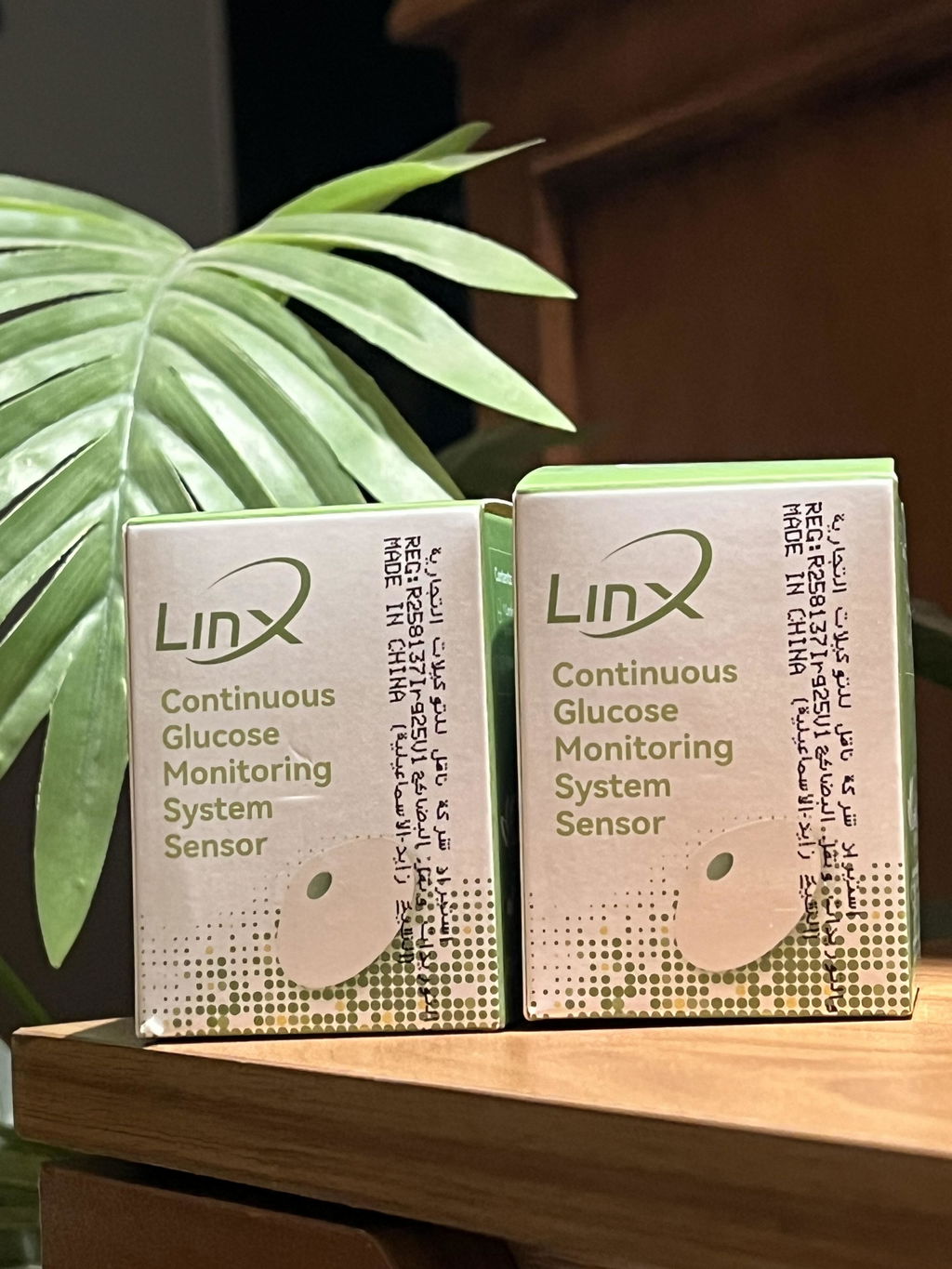
Addressing the profound structural limitations of traditional methodologies, the LinX Continuous Glucose Monitoring (CGM) System represents a superior iteration of modern electrochemical biosensor technology. Engineered by MicroTech Medical to provide unparalleled data density, the LinX sensor boasts an extended functional lifespan of 15 days per single application. During this 15-day uninterrupted lifecycle, the device systematically samples interstitial fluid glucose concentrations at exacting one-minute intervals.
This high-frequency sampling architecture yields an extraordinary 1,440 discrete glucose readings every 24 hours. It maps the complete physiological terrain of the user's metabolism. By transforming static snapshots into a continuous data stream, the device equips both patients and healthcare providers with actionable, predictive insights that traditional test strips can never replicate.
Technological Architecture and Biosensor Engineering
Physical Specifications and Ergonomics
The design philosophy underlying the LinX CGM system prioritizes absolute discretion, environmental durability, and minimal physical burden. This directly addresses the barrier of device fatigue that historically plagues wearable medical technologies. The LinX sensor is extraordinarily compact. It features a diameter of merely 22 millimeters and a maximum thickness of 4.22 millimeters. To appropriately contextualize these micro-dimensions, the sensor's physical footprint is smaller than a standard one-euro coin. Its side profile is roughly the thickness of two stacked nickels.
Weight dictates adherence in long-term cutaneous wearable devices. The LinX sensor weighs a mere 2.16 grams. This equals the mass of half a sheet of standard A4 paper. This ultralight, micro-scale form factor ensures the device is virtually imperceptible during daily wear. Active adults, athletes, and pediatric populations benefit immensely from this unrestrictive medical hardware. The unobtrusive nature of the device facilitates complete wear compliance over its 15-day lifespan—a stark contrast to the rapidly diminishing compliance rates associated with multiple daily fingerstick regimens.
Electrochemical Sensing Mechanism
The core functional component of the LinX CGM is a specialized subcutaneous micro-filament biosensor. It penetrates the dermis to rest comfortably within the interstitial fluid (ISF). The system operates on established, highly refined electrochemical principles. It utilizes a proprietary enzyme layer coated with glucose oxidase (GOx).
The biochemical mechanism relies on the catalytic oxidation of glucose present in the interstitial fluid. This chemical reaction produces an electrical current that can be precisely measured and translated into a glucose concentration value. The fundamental chemical reaction occurring continuously at the sensor tip is defined by this precise stoichiometric equation:
Glucose + O₂ → Gluconolactone + H₂O₂ (Catalyzed by GOx)
In this continuous reaction, the glucose oxidase enzyme catalyzes the conversion of interstitial glucose and localized oxygen into gluconolactone and hydrogen peroxide. The subsequent electrochemical oxidation of the hydrogen peroxide molecule generates a microscopic electrical current directly proportional to the ambient glucose concentration. The sensor's internal transmitter circuitry continuously measures, digitizes, and wirelessly broadcasts this micro-current via low-energy radio frequency to the user’s mobile application.
Factory Calibration and System Initialization
Advanced factory-calibrated architecture defines the LinX system's technological dominance. Earlier continuous glucose monitors necessitated routine, manual calibration using traditional fingerstick meters to maintain sensor accuracy. That process preserved the physical pain and logistical inconvenience of lancets. The LinX CGM eradicates this requirement.
- Auto-coding algorithms: Automatically adjust signal outputs without requiring active user intervention.
- Sophisticated impedance sensing: Maintains strict baseline accuracy through extreme metabolic variance.
- Manual override capacity: The system intelligently retains the option to accept manual calibration points if the user experiences highly atypical physiological states.
Application occurs via a painless, single-step automated mechanical inserter. The sensor requires a standard physiological initialization or "warm-up" period of precisely 60 minutes. During this critical hour, the micro-filament sensor equilibrates with the local tissue environment, allowing the body's acute immunological response to stabilize. This ensures optimal electrochemical accuracy for the entirety of the remaining 15-day monitoring lifecycle.
The Clinical Supremacy of Minute-by-Minute Data Acquisition
The Physiological Significance of 1,440 Daily Readings
Hyper-frequent data sampling separates the LinX sensor from inferior alternatives. While various forms of continuous monitors exist, many operate on polling intervals that report data only every five to fifteen minutes. They yield a maximum of 96 to 288 readings per day. The LinX sensor aggressively escalates this data density by providing real-time glucose updates every single minute. This rapid-fire sampling generates an unprecedented 1,440 discrete glucose measurements every 24 hours.
Clinical endocrinology demands this heightened frequency. The human body's glucose homeostasis shifts with extreme velocity during intensive physical exertion, the administration of rapid-acting exogenous insulin, the physiological stress of illness, or the consumption of high-glycemic-index carbohydrates. A sensor sampling only every fifteen minutes inherently creates dangerous data latency. A precipitous drop in blood sugar easily progresses into a critical hypoglycemic state between data points, delaying necessary intervention. By updating the glucose value every 60 seconds, the LinX system vaporizes these temporal blind spots.
Trend Analytics and Predictive Safety Mechanisms
Raw glucose readings lack clinical value without contextual momentum. A reading of 100 mg/dL demands drastically different clinical interpretations depending on whether that level is biochemically stable, rising by 2 mg/dL per minute, or rapidly crashing by 3 mg/dL per minute.
The LinX software continuously processes its 1,440 daily data points to generate highly responsive, predictive trend arrows. These intuitive visual cues broadcast the exact vector and velocity of the current glycemic state. Users achieve proactive, rather than reactive, disease management.
Complementing the visual data, the LinX platform features a highly customizable auditory and haptic alarm ecosystem. Users configure distinct alerts for:
- Impending hyperglycemia thresholds.
- Approaching hypoglycemia limits.
- Rapid dropping rate warnings.
- Critical emergency low scenarios requiring immediate rescue carbohydrates.
Because the system evaluates interstitial fluid every minute, predictive alarms preemptively warn a patient of hypoglycemia long before cognitive impairment, physical shaking, or severe systemic symptoms manifest.
LinX CGM Versus Traditional Test Strips and Lancets
To fully grasp the disruptive clinical impact of the LinX system, evaluate it directly against the established historical standard of SMBG. The differences span physiological measurement sources, data continuity, physical patient burden, and systemic healthcare economics.
Physiological Compartments: Interstitial Fluid Versus Capillary Blood
Traditional test strips require physically lancing the capillary beds of the fingertips to extract a droplet of whole blood. This provides a direct, localized measurement of vascular glucose at an exact fraction of a second. Conversely, the LinX CGM measures glucose in the interstitial fluid—the nutrient-rich liquid bathing the subcutaneous tissue cells.
Glucose molecules move from the vascular compartment into the interstitial compartment with an inherent physiological lag time spanning 5 to 20 minutes. During periods of relative glycemic stability, capillary blood and interstitial fluid closely align. During rapid physiological changes, the CGM value may temporarily trail the capillary value. The LinX system employs highly advanced mathematical algorithms to aggressively compensate for this lag, ensuring the displayed value accurately reflects systemic reality.
Data Density and the Elimination of Clinical Blind Spots
A highly compliant patient utilizing test strips performs three to ten painful fingersticks per day. These episodic snapshots offer high point-in-time laboratory accuracy but completely fail to capture the undulating metabolic curves occurring between manual tests.
Traditional strip monitoring completely misses nocturnal hypoglycemic events. A patient's blood sugar can plummet during deep sleep, leading to unconsciousness, localized seizures, or fatal cardiac arrhythmias. Traditional lancets offer absolutely zero protection during sleep unless the patient actively sets an alarm to wake up and perform a physical blood draw. The LinX CGM continuously monitors through the night. Its sophisticated alarm architecture violently wakes a patient experiencing nocturnal hypoglycemia, neutralizing potential mortality.
Physical Trauma and Operational Workflow
The somatic burden of traditional SMBG is immense. Repeatedly traumatizing sensitive nerve endings multiple times daily causes chronic pain, localized callousing, loss of tactile sensation, and a universally documented deterioration in psychological compliance. Furthermore, the logistical workflow disrupts daily life. The total completion time for a traditional fingerstick averages roughly 132 seconds per individual test.
Accessing real-time data from a LinX CGM requires zero preparation. It takes fractions of a second via a quick glance at a synchronized smartphone. Massive cumulative time savings, combined with the total elimination of physical pain, drive significantly higher adherence rates. Adherence to continuous sensor wear routinely exceeds 90%.
Consider the stark contrast in these operational parameters:
- Measurement Source: LinX uses Subcutaneous Interstitial Fluid; Traditional uses Capillary Whole Blood.
- Data Frequency: LinX provides 1,440 automated readings; Traditional relies on episodic manual intervention.
- Lifespan: LinX operates for 15 days of continuous wear; Traditional requires single-use disposable strips and metal lancets.
- Nocturnal Safety: LinX features automated surveillance with waking alerts; Traditional offers zero passive protection.
- Pain Profile: LinX demands a single micro-insertion every 15 days; Traditional forces multiple painful skin punctures daily.
Clinical Efficacy and Patient Outcomes
Advancements in HbA1c and Time in Range
Hemoglobin A1c (HbA1c) traditionally served as the gold-standard systemic metric for assessing long-term glycemic control. However, HbA1c remains inherently flawed as a standalone metric because it completely fails to quantify glycemic variability. A patient oscillating violently between severe hypoglycemic lows and extreme hyperglycemic highs presents with the exact same HbA1c percentage as a patient with perfectly stable glucose levels.
Minute-by-minute CGM data shifts the primary clinical focus toward Time in Range (TIR). TIR defines the precise percentage of time a patient's glucose remains within the targeted physiological window (typically 70 mg/dL to 180 mg/dL). The LinX application intuitively supports this vital metric by utilizing dynamic background color-coding—green for target range, red for high, and yellow for low.
Rigorous clinical evaluations of the 15-day LinX CGM system within highly vulnerable populations demonstrate profound systemic efficacy. Patients utilizing the LinX system frequently achieve dramatic median HbA1c reductions and surge their Time in Range metrics by over 10 percentage points within a single quarter. Overall glucose variability routinely shows statistically significant compression.
The Glycemia Risk Index (GRI) and Hypoglycemia Reduction
Advanced diabetology heavily relies on the Glycemia Risk Index (GRI). The GRI serves as a highly sensitive composite clinical metric integrating a patient's total exposure to both hypoglycemia and hyperglycemia to assess their overall risk of acute medical complications. The specific mathematical formulation dictates:
GRI = (3.0 × CHypo) + (1.6 × CHyper)
Because the LinX sensor updates every 60 seconds and integrates predictive alarms, the frequency, depth, and duration of severe hypoglycemic events drop dramatically. The profound psychological relief provided by these minute-by-minute alerts cannot be overstated. Individuals afflicted with hypoglycemia unawareness—where the autonomic nervous system ceases to produce warning symptoms like sweating or tremors—are entirely shielded from sudden incapacitation by relying on the sensor's constant vigilance.
Accuracy Metrics: Mean Absolute Relative Difference (MARD)
Clinical validity hinges upon measured accuracy relative to highly controlled laboratory venous blood testing. The globally recognized standard metric for assessing this exactitude is the Mean Absolute Relative Difference (MARD). Lower percentage values dictate tighter alignment with systemic blood glucose.
The specialized electrochemical sensors engineered for the LinX system demonstrate top-tier accuracy profiles. In rigorous clinical trials comparing continuous sensor data directly against gold-standard references, the sensors achieve exceptional MARD ratings. The LinX sensor maintains high fidelity reliably throughout its entire 15-day lifespan without requiring mandatory user calibration, proving superior to error-prone, self-administered fingersticks.
Economic Evaluation: Demystifying the LinX CGM Sensor Price
The transition from episodic test strips to advanced continuous sensors introduces complex healthcare economics. A superficial analysis of retail acquisition costs falsely portrays traditional fingersticks as the frugal option. Robust, long-term health-economic modeling completely destroys this assumption.
Direct Hardware and Ongoing Supply Costs
Basic glucose meters operate on a predatory loss-leader model. The hardware is cheap, but recurring costs of single-use test strips accumulate rapidly. A compliant patient testing six times daily consumes thousands of strips annually, resulting in an inescapable consumable expense.
Stop overpaying for diabetes management. The market remains saturated with overpriced devices. When evaluating the LinX CGM sensor price, you quickly realize how inflated competitor costs have become. MicroTech Medical built this 15-day sensor to disrupt the monopoly. It works. It tracks interstitial glucose every minute without requiring daily finger pricks. Yet, the LinX CGM sensor price remains entirely accessible for self-paying patients refusing to compromise on clinical accuracy.
Let’s break down the math. A standard 30-day supply of alternative monitors drains wallets fast. Compare that directly to the LinX CGM sensor price. At roughly $124 for a one-month supply, the financial relief is immediate. You get a 22mm device, an IP68 waterproof rating, and seamless smartphone syncing. Most importantly, you keep your hard-earned money. Healthcare shouldn't bankrupt you. Analyzing the LinX CGM sensor price proves that cutting-edge, factory-calibrated technology scales affordably without sacrificing reliability.
Quality-Adjusted Life Years (QALY) and Macroeconomic Savings
The undeniable economic superiority of real-time CGM emerges clearly in longitudinal financial analyses of complication avoidance. Poorly managed diabetes results in catastrophic medical expenses driven by cardiovascular disease, end-stage renal failure, diabetic retinopathy, and debilitating lower-limb amputations.
Real-time continuous systems consistently fall well beneath the universally accepted willingness-to-pay threshold for Quality-Adjusted Life Years (QALY). By actively preventing Severe Hypoglycemic Events (SHE) and Diabetic Ketoacidosis (DKA), alarms drastically reduce emergency ambulance dispatch and intensive care unit admission costs. These systems operate as highly powerful preventative financial instruments that shield both the patient and the healthcare system from catastrophic debt.
Real-World Application and Patient Psychology
Environmental Durability and Active Lifestyles
Environmental fragility destroys wearable sensor adherence. If a medical device prevents a patient from swimming or sweating during exercise, adherence plummets. The LinX CGM permanently neutralizes this severe limitation through an aggressive IP68 waterproof and dustproof certification.
The IP68 standard guarantees the device survives continuous submersion in water up to 1.5 meters for 30 minutes. This robust ingress protection, secured by a sweat-proof medical-grade bio-adhesive footprint, guarantees competitive athletes and active children engage in rigorous physical exertion without risking data transmission. Placement flexibility allows users to safely apply the device on the posterior upper arm or abdominal region.
Data Democratization and Remote Monitoring
Managing insulin-dependent diabetes via episodic fingersticks isolates the patient. It generates massive anxiety. The LinX ecosystem shatters this lonely paradigm through cloud-integrated digital architecture.
The continuous, one-minute readings wirelessly synthesize within the native smartphone application, rendering comprehensive Ambulatory Glucose Profile (AGP) reports. Users can broadcast their live, minute-by-minute glucose data to an expansive network of up to 50 designated followers. Parents remotely monitor children at school; adult children monitor elderly parents overnight; clinical endocrinology teams assess metabolic states dynamically without physical appointments. This interconnected safety net annihilates the chronic sleep deprivation shadowing households managing diabetes.
Automated Insulin Delivery Integration
The LinX CGM operates as the central nervous system for artificial pancreas development. Gapless data acts as an absolute prerequisite for advanced closed-loop systems. The LinX platform enables seamless digital integration with smart automated insulin delivery mechanisms, such as advanced patch insulin pumps.
By transmitting accurate data every 60 seconds directly to the insulin pump’s algorithm, the system autonomously modulates basal delivery rates. If the sensor detects a rapid crash, the pump proactively suspends insulin delivery before clinical hypoglycemia strikes. This technological symbiosis represents the highest standard of modern metabolic control.
Big medical tech companies hate this transparency. They demand you lock into their expensive, closed-loop ecosystems. Break the cycle. Investigate the continuous monitoring architecture for yourself. Never accept painful, episodic guesswork again.
Frequently Asked Questions (FAQ)
What justifies the LinX CGM sensor price compared to traditional testing methods?
The LinX CGM sensor price is highly competitive because it completely eliminates the endless, recurring costs of single-use test strips and lancets. By providing 1,440 automated readings daily, it drastically reduces the massive medical expenses associated with severe diabetic complications and emergency room visits, making it a highly cost-effective long-term investment.
Does the LinX system protect against nocturnal hypoglycemia?
Yes. The LinX system measures interstitial fluid glucose every single minute, 24 hours a day. It features highly customizable predictive alarms that will actively and forcibly wake a sleeping patient if a dangerous drop in blood sugar is detected, preventing life-threatening nocturnal emergencies.
Can I shower or swim while wearing the 15-day sensor?
Absolutely. The LinX CGM features a strict IP68 waterproof and dustproof certification. It is rigorously tested to survive continuous water submersion up to 1.5 meters for 30 minutes, ensuring it fully withstands daily showers, swimming, and intense, sweat-inducing exercise.
References
- American Diabetes Association (ADA): Continuous Glucose Monitoring Technology and Clinical Adoption Standards
- U.S. Food and Drug Administration (FDA): Regulatory Framework for Blood Glucose Monitoring Devices
- Centers for Disease Control and Prevention (CDC): Advancements in Daily Diabetes Care and Hypoglycemia Prevention